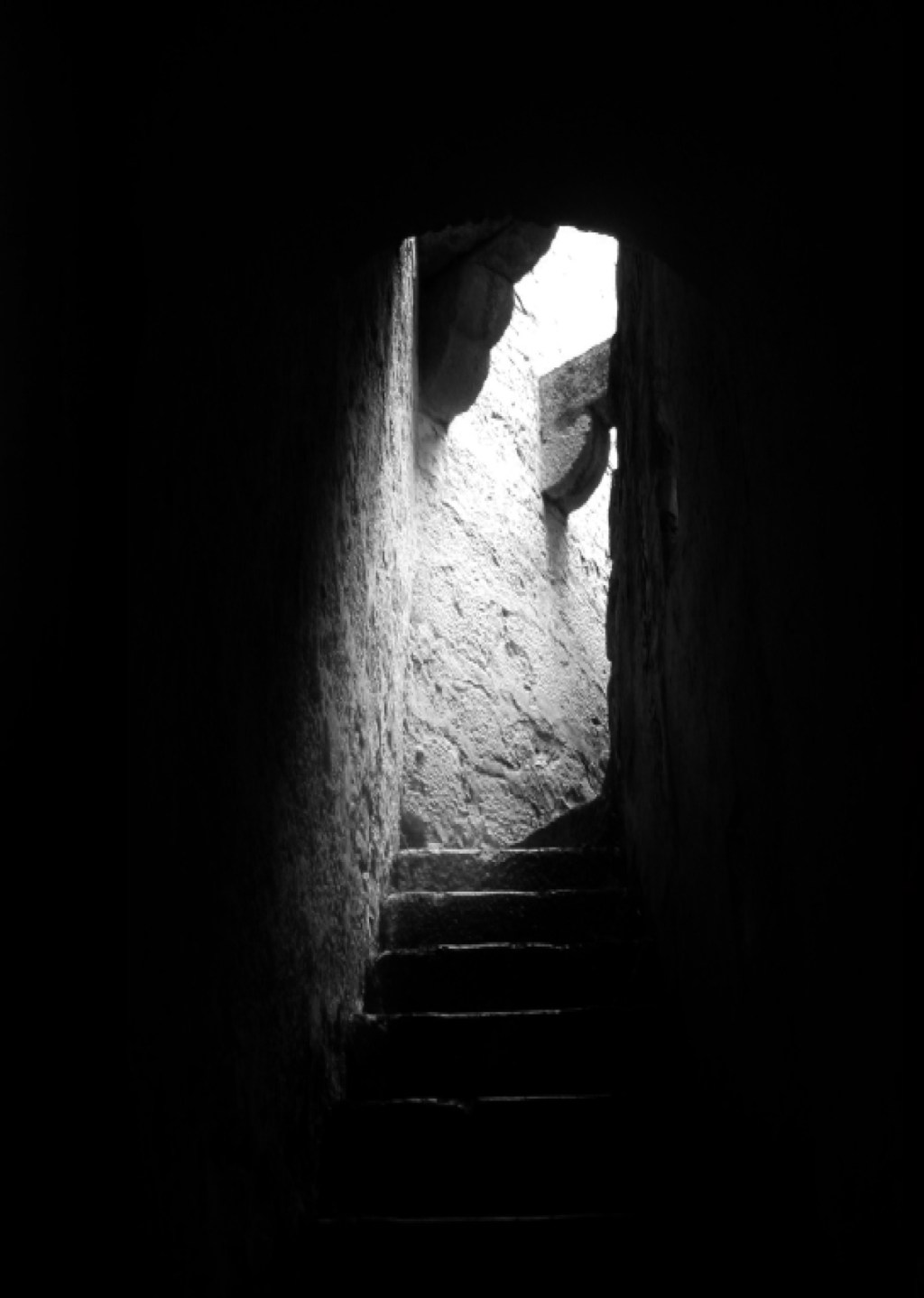
“I confront the city with my body; my legs measure the length of the arcade and the width of the square; my gaze unconsciously projects my body onto the facade of the cathedral, where it roams over the mouldings and contours, sensing the size of recesses and projections; my body weight meets the mass of the cathedral door; and my hand grasps the door pull as I enter the dark void behind. I experience myself in the city, and the city exists through my embodied experience. The city and my body supplement and define each other.”
– Juhani Pallasmaa
My early days in architecture saw the start of my continued obsession with Juhani Pallasmaa’s writings. This early fascination was reinforced when I had the pleasure to see a lecture given by Juhani. I was hooked. I was enamoured with the idea of architecture and design being described in such a beautifully tactile manner, of the idea that the tangible expression of our reality is experienced because of our body and how it interacts with the world around us; that how we experience the built environment is our own interpretation, not a predefined experience. Thus began my journey of heightened sensitivity to materiality, of how my hands and feet navigate the city – obsessively drawing hands and obsessively photographing materials.


“When entering the magnificent outdoor space of Louis Kahn’s Salk Institute, I felt the irresistible temptation to walk directly to the concrete wall and touch the velvety smoothness and temperature of its surface skin.”
– Juhani Pallasmaa
Aldo Van Eyck’s Amsterdam orphanage became another obsession of mine. I love how he plays with form, scale, light, shadow and the dual phenomenon of the individual and the collective. I gradually became preoccupied with photographing the moments between light and shadow.


“Deep shadows and darkness are essential because they dim the sharpness of vision, make depth and distance ambiguous and invite unconscious peripheral vision and tactile fantasy.”- Juhani Pallasmaa
 kiss the mist
Leave a comment